Bluegrass on the Beach 2026: Complete Music, Camping & Jam Session Guide
 Imagine walking into Lake Havasu State Park with the lake glittering behind the stage, lawn chairs spread across the grass, and the sound of mandolins, banjos and fiddles drifting over the water. Kids dance near the front rail, friends wave to each other from across the crowd, and behind it all you can see the blue expanse of Lake Havasu framed by desert mountains. Somewhere in the campground, jam circles are already forming and you can hear harmony vocals floating between the rigs. That is the atmosphere at Bluegrass on the Beach.
From Friday through Sunday, March 6–8, 2026, the 23rd Annual Bluegrass on the Beach Music Festival returns to the shoreline at Lake Havasu State Park, site number four, often called Windsor 4, at 699 London Bridge Road in Lake Havasu City. It is always held on the first weekend in March and has become a bucket-list festival for bluegrass fans across the West Coast and the desert Southwest. The setting is part of the magic: instead of a dusty field, you get grass, palm trees and lakefront views, and instead of a single main stage with nothing around it, you get a mix of professional sets, informal jams, workshops, food, crafts and on-site camping.
This guide is written for first-timers and veterans alike. It will walk you through the festival basics, ticket and gate details, how the lineup and workshops are structured, what the jam scene is like both on and off stage, how camping and lodging work, what to expect in terms of food, weather and amenities, and how to turn the weekend into a full Lake Havasu vacation before or after the last note rings out.
Festival At-a-Glance – Dates, Location and Vibe
Bluegrass on the Beach 2026 runs from Friday, March 6, through Sunday, March 8. The festival takes over the Windsor 4 event area inside Lake Havasu State Park, which is a large, grassy, lakeside field with nearby beaches and docks just off London Bridge Road. You are a short drive from the London Bridge itself and the surrounding English Village and channel area, so it is easy to combine time at the festival with time wandering the waterfront.
What makes this festival special is the combination of long-running tradition and relaxed lakeside setting. It has a loyal following; many attendees come year after year and treat it as their winter or early-spring anchor trip. The vibe is comfortable and welcoming. Serious bluegrass fans bring high-end instruments and know every band on the bill, while more casual music lovers set up lawn chairs, grab something from the food vendors and let the day unfold. There are main-stage sets, organized workshops, impromptu campground jams, space to dance and plenty of shade to sit and listen.
The festival draws a wide mix of people. You will see dedicated bluegrass fans, snowbirds in RVs escaping colder climates, weekend campers from across the tri-state area, and local families who treat the event as an annual outing. If you enjoy roots music, acoustic instruments and a laid-back lakeside atmosphere, you will feel at home here regardless of your exact bluegrass knowledge level.
Tickets, Gate Times and What’s Included
Tickets are typically sold as three-day passes for adults, single-day adult tickets and reduced-price teen tickets. Children 12 and under are usually admitted free with a paying adult, which makes it an affordable event for families. Exact prices can vary from year to year, so it is important to check the official festival website or the Go Lake Havasu event listing for the most up-to-date ticket information before you commit. One key detail to keep in mind is that the festival generally does not offer discounts at the gate and tickets are often non-refundable, so buying the pass that truly fits your plans and doing it early is usually the smart move.
Tickets can be purchased online through the official Bluegrass on the Beach site. Online sales let you secure your spot in advance, print your confirmation or keep it on your phone and head straight to the gate when you arrive. If you prefer to buy in person, the gate at Windsor 4 typically opens by late morning, somewhere around 8:30 or 9:00 a.m., near the entrance off London Bridge Road. Buying at the gate works fine if you are local or making a last-minute decision, but it pays to show up with some buffer time before the first band you want to see.
A festival pass includes access to all main-stage performances on the day or days covered by your ticket. The seating area is general-admission grass, so you bring your own low-back chairs or blankets and set up wherever feels comfortable. In addition to the stage sets, your pass usually covers entry to open workshops and special sessions listed on the schedule. These can include instrument-specific clinics, harmony singing workshops and band-led educational sets. The grounds often include shuttle service within the event area, which is especially helpful for anyone with mobility issues or those carrying chairs and gear between camping and the stage.
If you plan to camp inside the festival grounds, one very important note is that camping at Windsor 4 requires a full weekend festival pass, not just a single-day ticket. The camping and ticket pieces work together, and you cannot camp on-site with only a Friday- or Saturday-only wristband. That means campers should plan from the start to purchase three-day admission.
Lineup, Schedule and Workshops
The Bluegrass on the Beach lineup usually features a mix of regional and national bluegrass bands, with a rotating schedule of sets across all three days. Each day offers multiple bands rather than a single headliner, and many groups play more than once over the course of the weekend. This format gives you multiple chances to catch a band you like and lets you sample different flavors of bluegrass without feeling rushed.
The detailed band schedule is generally released in January, six to eight weeks before the festival, and is posted on both the festival’s official website and local tourism sites such as Go Lake Havasu. Instead of memorizing every time slot, most people take a more relaxed approach: they pick a handful of must-see bands, note approximate times and then let the rest of the day unfold in between. The main stage runs throughout the day, so at almost any time you can wander over and find live music happening.
Workshops and special sessions add a second layer to the experience. Typical offerings include instrument-specific workshops for banjo, fiddle, guitar, mandolin and bass, vocal harmony sessions and occasionally band-led “how we do it” clinics. These are usually scheduled earlier in the day, when the sun is softer and crowds are a bit lighter. If it is your first time at a festival like this, it is a good idea to pick one or two workshops that really interest you and build your day around them, rather than trying to attend every session and every set.
The rhythm of each day tends to follow a familiar pattern. Mornings bring the first sets and workshops as gates open and people wander in with coffee and chairs. By early afternoon, the peak of the main-stage action is underway. Food vendors and the beer garden are busy, and the field in front of the stage is at its fullest. As the sun drops behind the mountains, the light softens, the temperature becomes almost perfect, and the late-afternoon and evening sets feel particularly special with the lake and sky changing colors behind the performers. When the official program winds down at night, the energy shifts naturally toward the campgrounds and jam circles.
Jam Sessions 101 – How to Join In
One of the biggest draws of Bluegrass on the Beach is the jam culture. Official descriptions mention jam sessions “on and off stage,” and that is exactly what you will find. On stage, there may be organized jams and showcase sets that bring musicians together in different combinations. Off stage, in the camping areas and around the park, you will find clusters of players gathered in circles with chairs, instruments and maybe a lantern or two, playing deep into the evening.
If you want to join in, bring your acoustic instrument. Guitars, banjos, fiddles, mandolins, upright basses and dobros are all welcome. It helps to pack a clip-on tuner, a capo if your instrument uses one, picks, rosin and a small supply of extra strings. Many players also like to come with a mental list or a small notebook of songs they know well in common jam keys such as G, C, D and A. You do not have to be a professional or even advanced player to participate; the festival is known for being friendly to newcomers as long as everyone respects the flow of the circle.
Basic jam etiquette goes a long way. A smart approach is to stand and listen for a song or two before jumping in. This gives you a sense of the overall skill level, the tempo and the way the group is rotating solos. When you do join, pay attention to the key and watch the hands of the guitar or mandolin player if you need help following the changes. Solos, often called breaks, typically move around the circle, so be ready to nod or shake your head politely when the turn comes to you. Try to keep your volume at a level that supports the song rather than overpowering it, especially when someone else is singing or taking a break. If you stumble, laugh and keep going; everyone there has been the nervous new jam participant at some point.
It is also good to recognize that not all jams are equally open. Sometimes you will see a tight, fast, high-level circle where everyone clearly knows each other and the arrangements. Other circles are looser, with mixed skill levels and a more obvious “come on over” feeling. If you are unsure whether a jam is open, it is perfectly fine to ask politely or to hang back, watch and wait until someone invites you in. Most players are happy to point you toward a circle that matches your level and interests.
Camping on Site – RVs, Tents and Gold Club
Camping on site at Windsor 4 is a big part of the Bluegrass on the Beach culture. For many people, waking up a few steps from the stage and being able to walk from jam circles to main sets without ever starting a vehicle is a major part of the festival’s charm. The main camping area inside the event grounds is dry camping in lot number four, with no electric hookups and a first-come, first-served policy. There are no reservations for standard dry camping; instead, rigs begin lining up as the festival approaches, and the parking crew directs arrivals into spots as space allows.
Early camping is usually available starting the Monday before the festival, with an extra nightly fee per rig for those pre-festival nights. This is ideal for people who want to claim a good spot, settle in, and ease into the weekend as more and more attendees arrive. As mentioned earlier, anyone camping inside Windsor 4 must hold a weekend festival pass; dry camping is not available to single-day ticket holders. The park provides access to water fill and a dump station, but there are no individual hookups in the dry camping field, so it pays to arrive with tanks managed and a plan for conserving power and water.
For those who want more amenities, there is a separate “Gold Club” option that offers reserved water and electric hookup sites inside the state park campground. These sites are limited, often around fifty in number, and are arranged and sold through the festival rather than through the standard Arizona State Parks reservation system. Gold Club campsites often sit closer to the shoreline, with pull-through options and a bit more infrastructure. They cost more than dry camping, but in return you get the convenience of hookups and a reserved spot. If this appeals to you, it is wise to join the Gold Club or watch for those reservation windows well in advance; these sites tend to sell out quickly among repeat attendees.
Dry camping at Windsor 4 has its own personality. The field becomes a small village of rigs, tents, pop-up canopies and camp chairs. Some areas of the campground stay relatively quiet at night, while others become natural hubs for jam circles and late-evening socializing. If you prefer one or the other, it can help to ask parking staff or neighbors where the livelier pockets usually form and choose a spot accordingly. Festival organizers generally do not park new arrivals in the dark, both for safety and sanity, so plan your arrival during daylight hours.
Off-Site Lodging – Hotels, RV Parks and Vacation Rentals
If camping on site is not your style, there are plenty of other ways to stay close to the festival. Hotels near London Bridge Road and the bridge itself make a convenient base, placing you within a short drive of Lake Havasu State Park as well as the restaurants, shops and bars around the channel and English Village. Staying in this zone makes it easy to split your days between the festival grounds and town; you can catch daytime sets on the grass, grab dinner near the bridge and then return to Windsor 4 for evening music or jams if you like.
RV parks and campgrounds around Lake Havasu City give you more choices if you want full hookups, showers, laundry facilities and a slightly quieter atmosphere than the on-site dry camping field. Many RV travelers who plan longer winter stays choose one of these parks and then drive into the festival each day. This is a good compromise if you love your comforts but still want to be close to the action.
Vacation rentals and group houses can be ideal if you are traveling with friends, bandmates or extended family. A rental house with driveway space for multiple vehicles, perhaps even room for a small trailer, can turn the festival weekend into a relaxed, shared experience. When browsing listings, pay attention to parking rules and any homeowners’ association restrictions related to RVs, trailers or noise, especially if you expect to be out late and returning after the last campground jam wraps up.
Getting There, Parking and Shuttle Service
Bluegrass on the Beach is held at Windsor 4 inside Lake Havasu State Park, which is reached by turning off Highway 95 onto London Bridge Road and heading toward the state park entrance. Signage during the festival weekend usually makes it clear where to turn for event parking and where to go for camping check-in. If you are staying in a hotel near the bridge, the drive is short and straightforward; many people simply treat Windsor 4 as their daytime destination and the bridge or downtown district as their evening base.
Day-use parking for festival attendees is typically provided in designated areas near the Windsor 4 event field. Parking is usually free or included in the park’s standard use fees, but it is always wise to verify current details on the official festival or state park website before you arrive. Larger vehicles and those towing trailers should arrive a bit earlier in the day to secure easier parking, as mid-afternoon tends to be the most crowded time for both the festival and the nearby public beaches.
Within the festival grounds, small shuttle services sometimes operate to help move people between the front entrance, the camping areas and the stage. These are especially helpful for anyone carrying chairs and coolers or for those with limited mobility. You will generally see shuttle pick-up points marked on site maps or indicated by signs near busy crossroads within the event field. If mobility is a concern, it can be helpful to ask about shuttle details at the main gate or information booth when you first arrive.
Food, Drinks, Weather and What to Bring
Food and drink at Bluegrass on the Beach are part of the fun. A cluster of food vendors usually lines one edge of the field, serving items such as barbecue, burgers, tacos, sandwiches and snack-style foods. Sweets, coffee stands and dessert vendors often round out the options. A beer garden and drink stations provide beverages for adults, and soft drinks and water are available throughout the grounds. Policies on outside food, coolers and alcohol can change, so it is always best to check the current rules; in general, you can expect reasonably priced food and drink options on site without needing to leave the festival during the day.
Early March weather in Arizona and specifically in Lake Havasu City is usually about as pleasant as it gets. Daytime temperatures are often mild to warm, with cool mornings and evenings that may require a light jacket or hoodie. The sun remains strong even in March, so hats, sunglasses and sunscreen are still essential. Lightweight, layered clothing works best. You can start the day in a T-shirt and light jacket, peel layers off as the sun climbs and put them back on once the sun drops behind the hills.
Packing for a day at the festival is not complicated, but a bit of foresight helps. A comfortable low-back lawn chair is essential if you plan to spend much time listening to main-stage sets. A small daypack or shoulder bag can hold sunscreen, a refillable water bottle, a hat, a light layer for later, and any purchases from vendors such as CDs, shirts or crafts. A portable phone charger will keep you powered for photos and schedule checks. Earplugs are a good idea if you are camping very close to the stage or if you know you are sensitive to sound while sleeping; even at a bluegrass festival, sound carries across an open field at night.
Turning It into a Lake Havasu Vacation
If you are traveling from outside the region, it is easy to turn Bluegrass on the Beach into the center of a longer stay in Lake Havasu City. Arriving a day early lets you explore the London Bridge, the English Village and the Bridgewater Channel area before the festival begins. You can stroll along the waterfront, take a short cruise if any are operating, and get a feel for the town.
After the festival, or on a day when you want a break from the field, you can explore parks such as Rotary Community Park or other lakeside trails and viewpoints. If you extend your trip by a day or two, you might plan a dedicated boating outing, rent a small craft or join friends on the water to see the lake from a different angle than the festival shoreline. Those who like desert adventure can consider a morning off-road drive in nearby areas before returning to town for evening sets.
March is also a busy event month in Lake Havasu City. Depending on the exact year and schedule alignment, your festival dates may brush up against other happenings such as car shows, music weekends or off-road expos. Checking local calendars on Go Lake Havasu or browsing listings on DigitalTriState.com can help you identify any overlapping events and decide whether to extend your stay.
Quick FAQ and Final Thoughts
Many common questions have simple answers. You do not need to play an instrument to enjoy the festival; plenty of attendees never touch a string all weekend and still have a great time just listening from their chairs and wandering the vendor row. The event is family-friendly, with children often seen dancing near the stage or playing under the shade of tents while parents listen. Whether pets are allowed inside the festival grounds can vary with park and event policy, so it is essential to check current rules on the official site before bringing a dog.
Camping reservations and tickets are separate but linked in the sense that camping inside the Windsor 4 event area requires a full weekend ticket. Dry camping spots are first come, first served, while Gold Club hookup sites are reserved in advance through the festival. If you only want to visit for a single day, you are welcome to buy a single-day pass, park in the day-use area and head home when the music ends. Many locals and nearby residents treat the festival this way and still return year after year.
Bluegrass on the Beach 2026 is a rare combination of top-tier bluegrass, lakeside camping and welcoming jam culture in one place. It feels like a small town of music lovers pops up for three days on the edge of the lake and then disappears until the next year. If you are considering going, planning ahead for tickets, camping or lodging, and travel will give you more options and less stress. Once you are there, the best approach is simple: set up your chair, keep your instrument close if you play, stay open to new bands and new friends, and let the music and the water do the rest.
Check event calendars on Go Lake Havasu and DigitalTriState.com to see what else lines up with your travel dates.
Start building your long weekend with help from DigitalTriState.com, your new hub for Lake Havasu events, local businesses, and tri-state trip ideas.

 Lake Havasu’s annual Southwest Chowder Fest brings chowder lovers from all over to our waterfront. One of the most anticipated community events of the year is back, transforming Lake Havasu State Park into a lively hub of food, music, and local flavor. Hosted at Windsor 4 along the scenic Colorado River, the festival draws residents and visitors for an afternoon filled with chowder tastings, craft beverages, and outdoor entertainment.




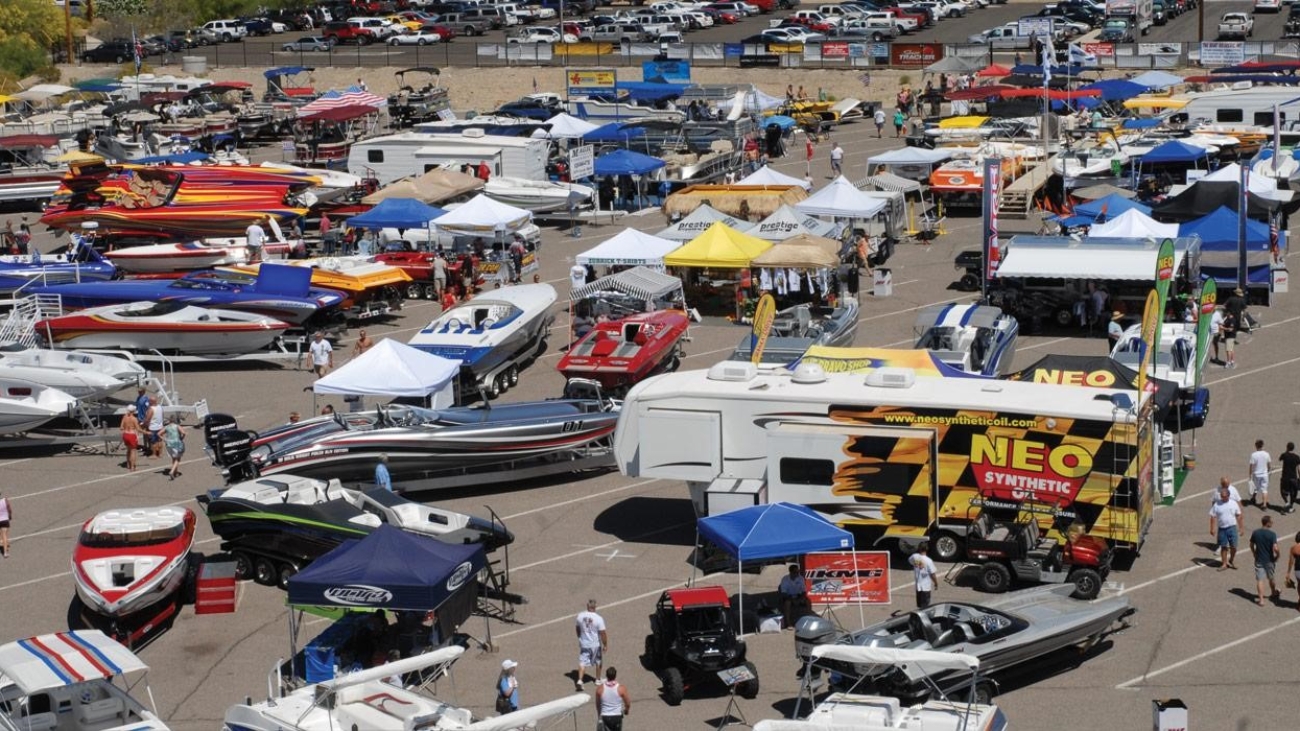
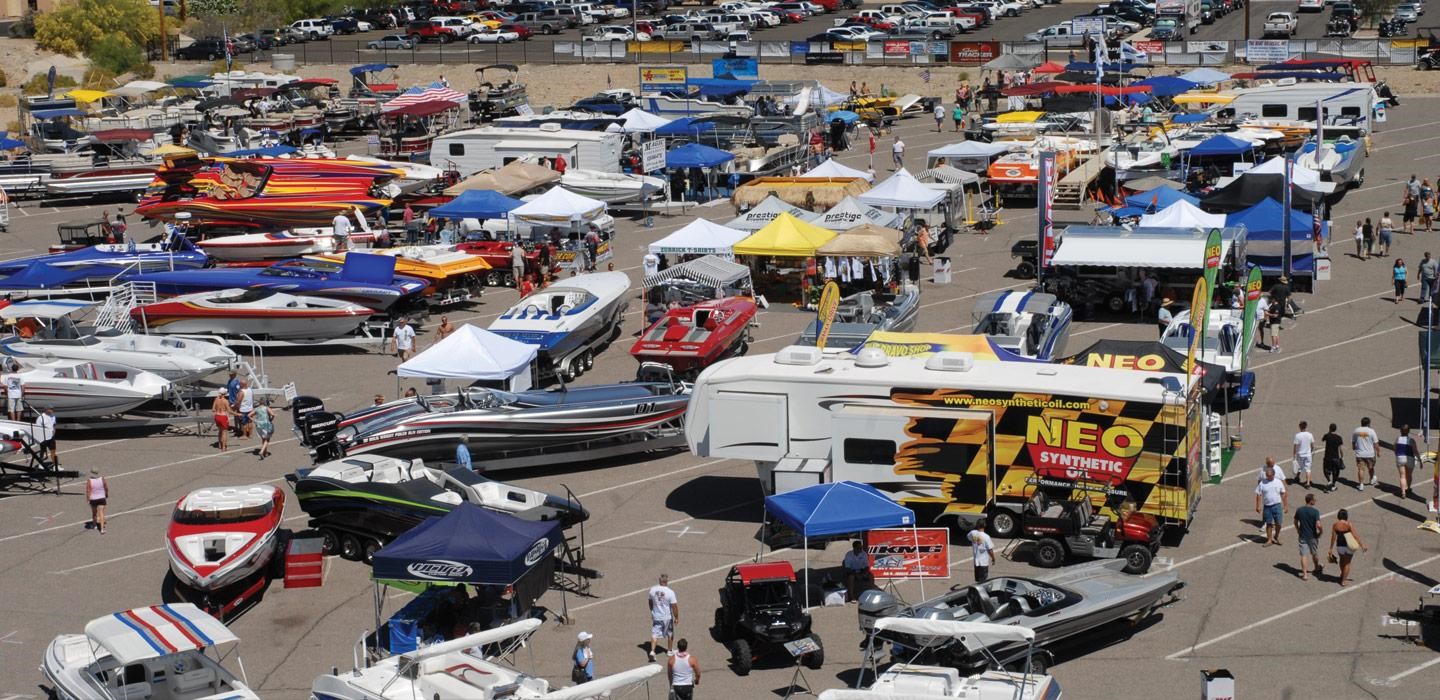

 Picture walking into Windsor 4 at Lake Havasu State Park and seeing UTVs, lifted trucks, overland rigs, and race cars lined up on the grass with Lake Havasu shimmering in the background. Flags are flying, music is playing, vendors are talking gear, and people are gathered around builds with the hoods up and suspensions flexed. That is the feel of Dirt Expo: Havasu.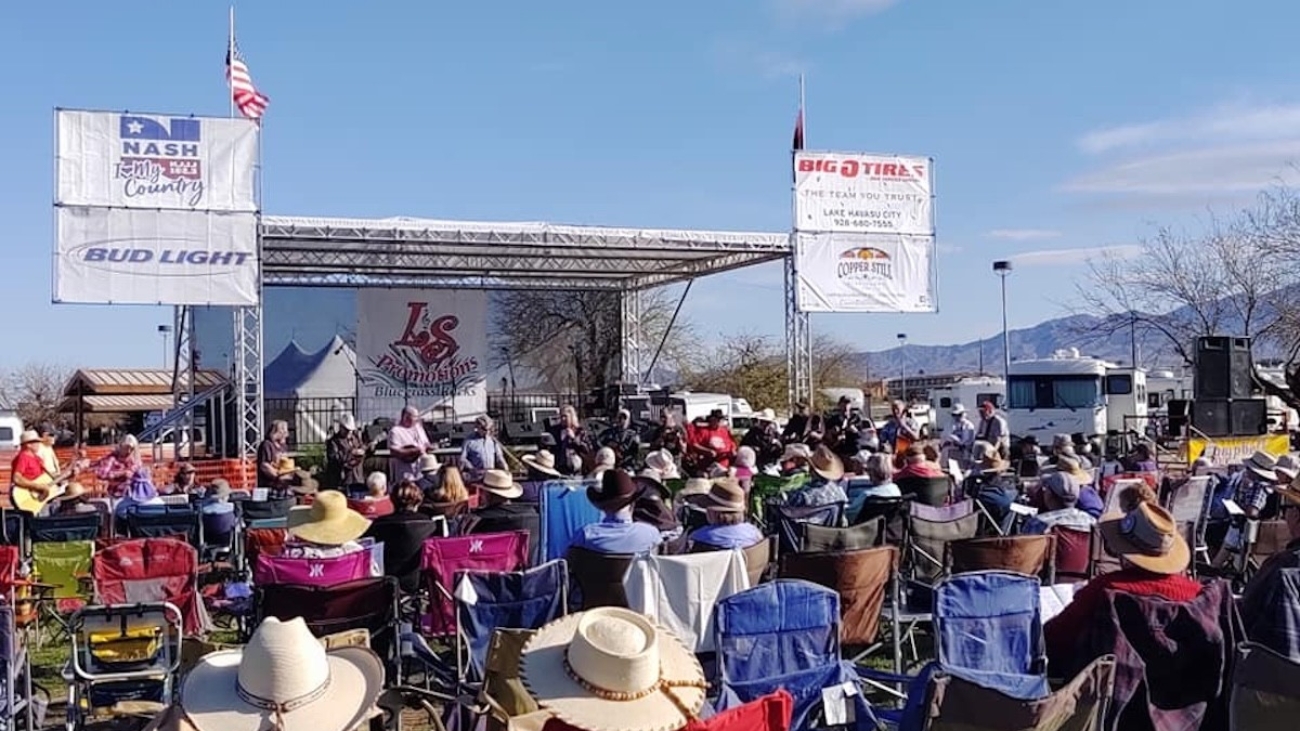
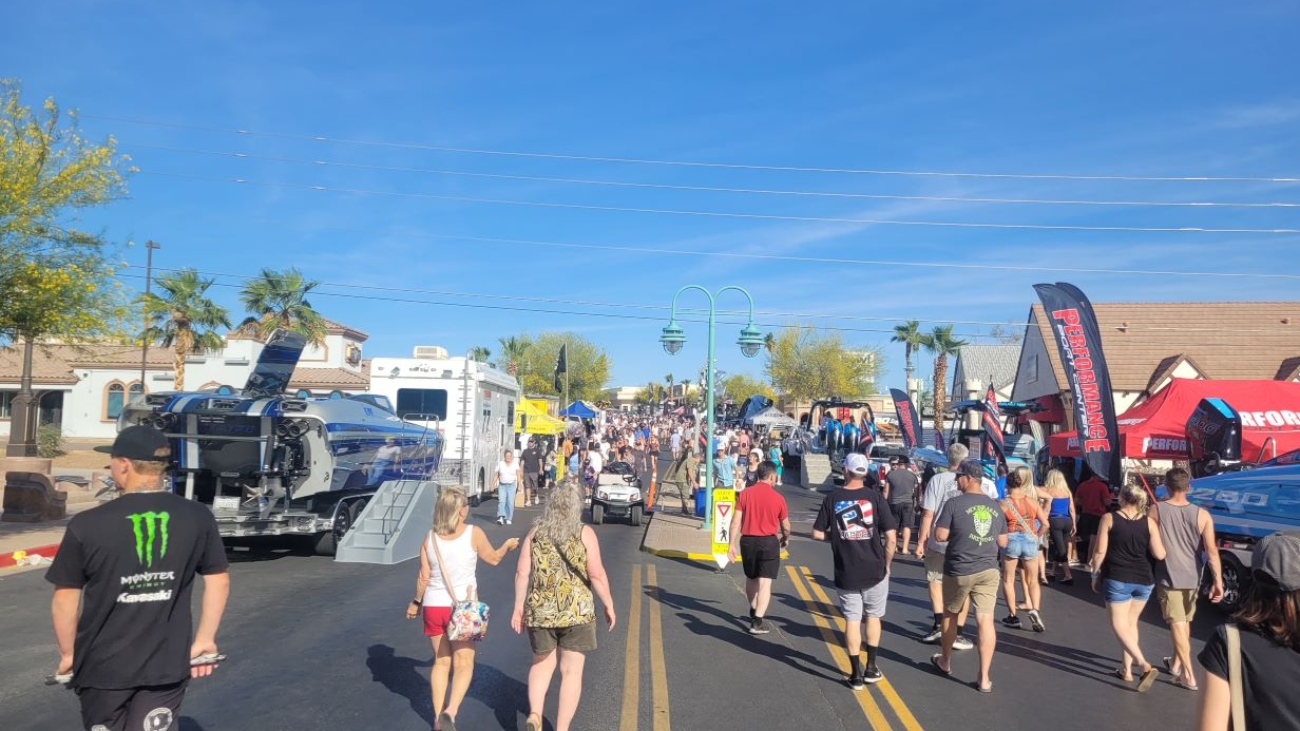


 On a First Friday evening, downtown Lake Havasu City feels different the moment you turn onto McCulloch. String lights glow above the sidewalks, music drifts from patios and street corners, and clusters of people move slowly past vendor tents and shopfronts. The air is still warm but finally comfortable after a desert day, and the whole street hums with that “everyone’s out tonight” feeling. This is the side of Havasu you don’t see from the water: a walkable strip where locals, snowbirds, and visitors all mingle under the lights.

 ToonFest 2026 runs Friday and Saturday, March 27 and 28. The boat show portion is open from 9:00 a.m. to 6:00 p.m. both days and admission to the show itself is free. Everything happens at Havasu Riviera Marina, the newer, upscale marina complex south of town at the end of Havasu Riviera Parkway, with modern docks, slips, and on-site amenities right on the main lake.
 Reaching Havasu Riviera Marina is straightforward. From the London Bridge or downtown Havasu area, you head south on Highway 95 and follow the signs for Havasu Riviera Parkway, which winds down toward the marina complex on the lake. If you want closer parking and cooler temperatures, plan to arrive near the 9:00 a.m. opening; traffic typically increases around late morning and again in the late afternoon as crowds shift in and out. Public boat show visitors will park in lots designated by the marina and event staff, while regatta participants will follow separate instructions for check-in, launching and slip assignment.

 Some of the most important benefits of a project like the Arida Solar Center never make it into the official project documents. They show up at cash registers, in appointment books, and in local bank accounts. When hundreds of workers and support staff arrive in a region, they bring everyday needs and the income to meet them.


 If you prefer classic romance, the river region delivers with intimate dining experiences and Valentine’s specials across Bullhead City and Lake Havasu City.


 Waterfront views everywhere